" height="31.174666149068326px" id="BbezFulLT" transform="translate(0 -0.3)" width="26.03857142857145px"/><path d="M 11.278 24.103 C 8.971 24.103 6.971 23.615 5.278 22.638 C 3.584 21.647 2.278 20.238 1.358 18.412 C 0.453 16.571 0 14.419 0 11.956 C 0 9.521 0.453 7.404 1.358 5.606 C 2.263 3.808 3.562 2.428 5.256 1.465 C 6.964 0.488 8.971 0 11.278 0 C 13.6 0 15.607 0.488 17.301 1.465 C 19.009 2.428 20.315 3.808 21.221 5.606 C 22.14 7.404 22.6 9.521 22.6 11.956 C 22.6 14.419 22.14 16.571 21.221 18.412 C 20.315 20.238 19.009 21.647 17.301 22.638 C 15.607 23.615 13.6 24.103 11.278 24.103 Z M 11.278 19.665 C 12.402 19.665 13.373 19.353 14.191 18.73 C 15.009 18.107 15.636 17.215 16.074 16.054 C 16.512 14.894 16.731 13.527 16.731 11.956 C 16.731 10.427 16.512 9.096 16.074 7.964 C 15.636 6.817 15.009 5.939 14.191 5.33 C 13.373 4.722 12.402 4.417 11.278 4.417 C 10.154 4.417 9.183 4.722 8.366 5.33 C 7.548 5.939 6.92 6.817 6.482 7.964 C 6.059 9.096 5.847 10.427 5.847 11.956 C 5.847 13.527 6.059 14.894 6.482 16.054 C 6.92 17.215 7.548 18.107 8.366 18.73 C 9.183 19.353 10.154 19.665 11.278 19.665 Z" fill="rgb(0, 0, 0)" height="24.103024097940203px" id="nGr69BbGN" transform="translate(26.797 7.196)" width="22.600388198757784px"/><path d="M 7.205 11.51 L 0 0.765 L 0 0 L 6.198 0 L 10.731 7.518 L 10.95 7.518 L 15.286 0 L 20.87 0 L 20.87 0.765 L 14.169 11.361 L 21.177 22.532 L 21.177 23.275 L 15.176 23.275 L 10.621 15.439 L 10.402 15.439 L 5.825 23.275 L 0.197 23.275 L 0.197 22.532 Z" fill="rgb(0, 0, 0)" height="23.274821428571432px" id="gIDsemtZm" transform="translate(48.645 7.6)" width="21.176878881987584px"/><path d="M 11.278 24.103 C 8.972 24.103 6.971 23.615 5.278 22.638 C 3.584 21.647 2.278 20.238 1.358 18.412 C 0.453 16.571 0 14.419 0 11.956 C 0 9.521 0.453 7.404 1.358 5.606 C 2.263 3.808 3.562 2.428 5.256 1.465 C 6.964 0.488 8.972 0 11.278 0 C 13.6 0 15.607 0.488 17.3 1.465 C 19.009 2.428 20.316 3.808 21.22 5.606 C 22.14 7.404 22.6 9.521 22.6 11.956 C 22.6 14.419 22.14 16.571 21.22 18.412 C 20.316 20.238 19.009 21.647 17.3 22.638 C 15.607 23.615 13.6 24.103 11.278 24.103 Z M 11.278 19.665 C 12.402 19.665 13.373 19.353 14.191 18.73 C 15.009 18.107 15.636 17.215 16.074 16.054 C 16.512 14.894 16.732 13.527 16.732 11.956 C 16.732 10.427 16.512 9.096 16.074 7.964 C 15.636 6.817 15.009 5.939 14.191 5.33 C 13.373 4.722 12.402 4.417 11.278 4.417 C 10.154 4.417 9.183 4.722 8.366 5.33 C 7.548 5.939 6.92 6.817 6.482 7.964 C 6.059 9.096 5.847 10.427 5.847 11.956 C 5.847 13.527 6.059 14.894 6.482 16.054 C 6.92 17.215 7.548 18.107 8.366 18.73 C 9.183 19.353 10.154 19.665 11.278 19.665 Z" fill="rgb(0, 0, 0)" height="24.103024097940203px" id="vuvmNc7kZ" transform="translate(68.96 7.196)" width="22.60047360248447px"/><path d="M 10.752 24.124 C 8.534 24.124 6.636 23.827 5.058 23.232 C 3.482 22.638 2.27 21.788 1.424 20.684 C 0.576 19.566 0.102 18.235 0 16.692 L 5.562 16.692 C 5.737 17.782 6.256 18.61 7.118 19.176 C 7.994 19.728 9.205 20.004 10.752 20.004 C 12.125 20.004 13.213 19.757 14.016 19.261 C 14.834 18.752 15.242 18.037 15.242 17.116 C 15.242 16.465 15.001 15.948 14.519 15.566 C 14.038 15.17 13.425 14.879 12.68 14.695 C 11.95 14.497 10.935 14.285 9.636 14.058 C 7.752 13.733 6.212 13.379 5.015 12.996 C 3.832 12.614 2.811 11.963 1.949 11.043 C 1.103 10.108 0.679 8.813 0.679 7.157 C 0.679 5.698 1.08 4.431 1.883 3.355 C 2.687 2.279 3.818 1.451 5.278 0.871 C 6.752 0.29 8.461 0 10.402 0 C 13.133 0 15.344 0.531 17.038 1.593 C 18.732 2.655 19.804 4.141 20.257 6.052 L 14.914 7.093 C 14.636 6.116 14.125 5.38 13.381 4.884 C 12.651 4.389 11.651 4.141 10.381 4.141 C 9.154 4.141 8.169 4.375 7.424 4.842 C 6.679 5.295 6.307 5.925 6.307 6.732 C 6.307 7.411 6.548 7.949 7.03 8.346 C 7.527 8.742 8.14 9.039 8.869 9.238 C 9.599 9.436 10.628 9.648 11.957 9.875 C 13.811 10.186 15.33 10.533 16.512 10.915 C 17.709 11.283 18.732 11.935 19.578 12.869 C 20.425 13.789 20.849 15.071 20.849 16.713 C 20.849 18.242 20.44 19.566 19.622 20.684 C 18.804 21.802 17.637 22.659 16.118 23.254 C 14.6 23.834 12.811 24.124 10.752 24.124 Z" fill="rgb(0, 0, 0)" height="24.124255434782608px" id="pmELS6Pkb" transform="translate(92.078 7.175)" width="20.848757763975172px"/><path d="M 11.497 24.124 C 9.205 24.124 7.19 23.636 5.453 22.659 C 3.715 21.668 2.373 20.266 1.423 18.454 C 0.474 16.642 0 14.526 0 12.105 C 0 9.712 0.474 7.603 1.423 5.776 C 2.387 3.95 3.737 2.534 5.474 1.529 C 7.212 0.51 9.212 0 11.475 0 C 13.519 0 15.337 0.418 16.928 1.253 C 18.52 2.088 19.775 3.384 20.695 5.139 C 21.629 6.88 22.097 9.061 22.097 11.68 C 22.097 12.218 22.074 12.763 22.031 13.315 L 5.912 13.315 C 6.015 14.66 6.314 15.828 6.81 16.819 C 7.322 17.796 7.978 18.546 8.781 19.07 C 9.584 19.58 10.489 19.835 11.497 19.835 C 12.782 19.835 13.833 19.544 14.65 18.964 C 15.483 18.369 16.059 17.52 16.38 16.416 L 22.097 16.416 C 21.892 17.76 21.33 19.028 20.41 20.217 C 19.49 21.392 18.264 22.34 16.731 23.062 C 15.198 23.77 13.454 24.124 11.497 24.124 Z M 16.38 9.578 C 16.308 7.864 15.841 6.527 14.979 5.564 C 14.133 4.587 12.971 4.099 11.497 4.099 C 10.067 4.099 8.876 4.537 7.927 5.415 C 6.978 6.293 6.351 7.68 6.044 9.578 Z" fill="rgb(0, 0, 0)" height="24.12425546069767px" id="snSN32zeM" transform="translate(113.335 7.175)" width="22.096506211180127px"/><path d="M 11.497 0 C 13.38 0 15.052 0.311 16.512 0.934 C 17.972 1.557 19.14 2.428 20.016 3.546 C 20.907 4.665 21.469 5.96 21.702 7.433 L 16.271 8.558 C 15.979 7.242 15.432 6.229 14.629 5.521 C 13.841 4.799 12.796 4.438 11.497 4.438 C 10.359 4.438 9.365 4.743 8.519 5.351 C 7.686 5.946 7.044 6.817 6.591 7.964 C 6.139 9.096 5.912 10.462 5.912 12.062 C 5.912 13.605 6.139 14.95 6.591 16.097 C 7.059 17.244 7.715 18.129 8.563 18.752 C 9.409 19.374 10.394 19.686 11.519 19.686 C 12.775 19.686 13.811 19.36 14.629 18.709 C 15.446 18.044 15.979 17.074 16.228 15.8 L 21.833 15.8 C 21.512 18.433 20.469 20.479 18.702 21.937 C 16.936 23.395 14.541 24.124 11.519 24.124 C 9.197 24.124 7.168 23.629 5.431 22.638 C 3.694 21.647 2.35 20.245 1.401 18.433 C 0.467 16.607 0 14.483 0 12.062 C 0 9.641 0.467 7.525 1.401 5.712 C 2.35 3.886 3.694 2.478 5.431 1.487 C 7.168 0.496 9.19 0 11.497 0 Z" fill="rgb(0, 0, 0)" height="24.124255434782608px" id="Bmme13MTH" transform="translate(136.278 7.175)" width="21.83346273291926px"/><path d="M 11.278 24.103 C 8.972 24.103 6.972 23.615 5.278 22.638 C 3.584 21.647 2.278 20.238 1.358 18.412 C 0.453 16.571 0 14.419 0 11.956 C 0 9.521 0.453 7.404 1.358 5.606 C 2.263 3.808 3.563 2.428 5.257 1.465 C 6.965 0.488 8.972 0 11.278 0 C 13.6 0 15.608 0.488 17.301 1.465 C 19.009 2.428 20.316 3.808 21.221 5.606 C 22.141 7.404 22.6 9.521 22.6 11.956 C 22.6 14.419 22.141 16.571 21.221 18.412 C 20.316 20.238 19.009 21.647 17.301 22.638 C 15.608 23.615 13.6 24.103 11.278 24.103 Z M 11.278 19.665 C 12.403 19.665 13.373 19.353 14.192 18.73 C 15.009 18.107 15.637 17.215 16.075 16.054 C 16.513 14.894 16.731 13.527 16.731 11.956 C 16.731 10.427 16.513 9.096 16.075 7.964 C 15.637 6.817 15.009 5.939 14.192 5.33 C 13.373 4.722 12.403 4.417 11.278 4.417 C 10.155 4.417 9.183 4.722 8.366 5.33 C 7.549 5.939 6.92 6.817 6.483 7.964 C 6.059 9.096 5.848 10.427 5.848 11.956 C 5.848 13.527 6.059 14.894 6.483 16.054 C 6.92 17.215 7.549 18.107 8.366 18.73 C 9.183 19.353 10.155 19.665 11.278 19.665 Z" fill="rgb(0, 0, 0)" height="24.103024097940203px" id="bptLNYQ7Y" transform="translate(158.804 7.196)" width="22.60038819875777px"/></svg>)
Remote working from rural Galicia in Spain
You've heard about Lisbon, Valencia, and the Canary Islands. There's a quieter corner of Spain where the internet is fast, the rent is low, and almost no one else has found it yet.
READING TIME 8 MINUTES
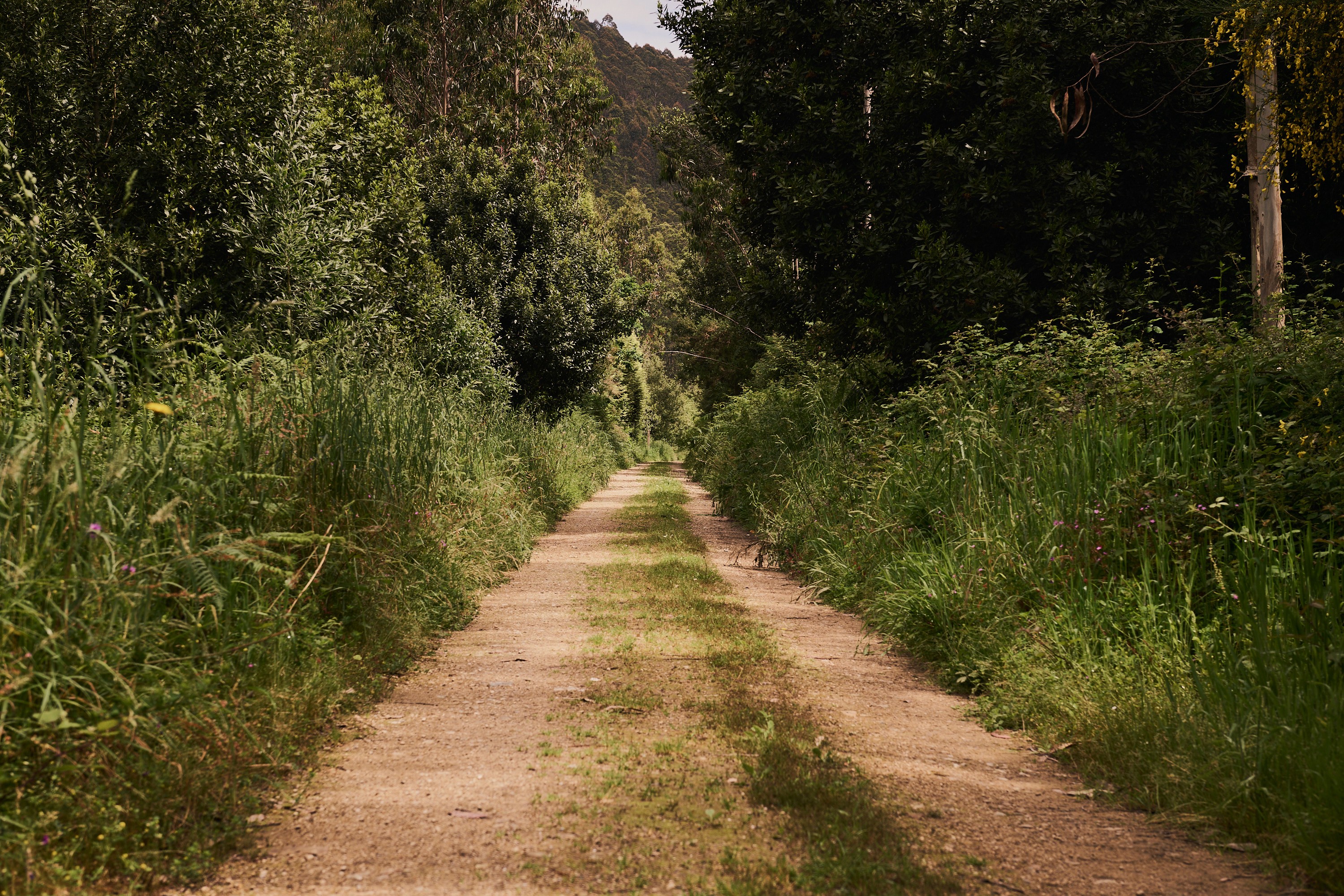
Let's get the obvious question out of the way: yes, there is fibre broadband in rural Galicia. No, you won't be tethering to a 3G signal hoping for the best during a client call. The northwest corner of Spain has been quietly building out its digital infrastructure for years, and the connection speeds here would make many London flatshares jealous.
But connectivity is the least interesting thing about working from here. The real story is what happens to the quality of your work — and your thinking — when you swap city noise for Atlantic rain, deadlines for cowbells, and a screen-filled commute for a 20-minute walk through a UNESCO Biosphere Reserve.
What "rural" actually means here
Galicia's version of rural is not the end of the world. It is a region of 2.7 million people, with cities like Lugo, A Coruña and Santiago de Compostela within 60–90 minutes. There are pharmacies, supermarkets, hospitals, and good restaurants. What's missing is the noise, the crowds, and the ambient anxiety that comes with urban density.
The area around Roxoseco rural sits within the EO-Terras de Burón Biosphere Reserve — a landscape of deep river canyons, Atlantic oak forest and meadows that stay green through summer because the Atlantic keeps them that way. The nearest town has a market, a health centre, and a bar that serves the best caldo gallego you'll find outside someone's grandmother's kitchen.
The connectivity, honestly
The fibre connection at Roxoseco runs with upload speeds stable enough for simultaneous video calls across all major platforms — Zoom, Teams, Meet — tested under real load. A 4G automatic failover runs alongside it — meaning if the primary connection drops, the backup kicks in without you noticing. The connection doesn't drop during storms, which is relevant because storms here are spectacular.
The signal doesn't stop at the front door. The buildings are connected by a fibre optic backbone, and each space — every apartment, the coworking, and the outdoor areas including the rooftop terrace — has its own dedicated WiFi 6 access point. You can take a call from the sun terrace, move inside to the desk, and the connection follows you without interruption.
If you're a developer, designer, video editor or anyone whose work involves moving large files: you'll be fine. And if your work requires a genuinely secure connection — legal, healthcare, financial services — you're covered.
Mobile coverage from the major Spanish operators is reliable in and around the village and on the main roads. On hiking routes into the hills, signal drops — which is either a problem or a feature depending on why you're there.
What a working day looks like
There is no enforced schedule. But after talking to people who have stayed here for weeks at a time, a pattern tends to emerge naturally — not because anyone imposes it, but because the environment itself shapes how you spend time.
The morning walk happens before screens. Twenty to forty minutes through the reserve, before the laptop opens. Most people who stay more than a few days stop thinking of this as optional. It becomes the thing that makes everything else work.
The European working window — 9am to 5pm CET — aligns cleanly with the local rhythm. US East Coast teams come online at 3pm local time, leaving a solid six-hour morning block of uninterrupted focus before the collaboration window opens. For people who find that their best thinking happens in the morning, this time zone works better than it has any right to.
Lunch is a real meal. The Spanish tradition of a proper midday break makes more sense here than it does in a city office — you eat well, slowly, and go back to work actually refreshed rather than reaching for a third coffee.
The weather argument
Galicia is the wet corner of Spain. It gets more rain than almost anywhere else in the country — which is exactly why it looks the way it does. The Atlantic keeps it green, mild, and moody in a way that the Mediterranean coast simply isn't.
For remote workers, this is quietly an asset. On a rainy Tuesday when you have a long document to finish, there is no agonising over whether you should be at the beach instead. The weather makes the decision for you, and your productivity thanks you.
At Roxoseco, the rain is not something you endure — it is something you watch. The coworking space runs a full south-facing window along its entire front wall, the kind of glass that turns an Atlantic front into a working companion rather than an inconvenience. The apartments are built the same way: floor-to-ceiling windows on the ground floor, wall to wall, so the landscape — and whatever the sky is doing — is always present. Light the fireplace, which every apartment has, and the combination of the rain on the glass, the warmth underfoot from the radiant floor heating, and the green of the reserve outside produces something that no productivity framework has ever managed to name but that anyone who has experienced it recognises immediately.
When the sun comes out — which it does, regularly, between Atlantic fronts — the contrast makes it feel earned.
The temperatures help too. Average temperatures sit between 8°C in winter and 24°C in summer, without the heat that makes working uncomfortable in southern Spain from June to September. The light in the evenings, particularly in late spring and early autumn, is the kind photographers travel across Europe to find.
Finding other remote workers
Galicia does not have a digital nomad scene in the way that Lisbon, Tenerife or Las Palmas do. There is no coworking café district, no nomad WhatsApp group with thousands of members, no constant networking events. If you find that kind of environment energising, this place is probably not for you.
If, on the other hand, you've spent time in those places and are starting to wonder whether the productivity gains from deep focus might outweigh the social calendar — Galicia is worth a serious look. The community you find here tends to be smaller, slower, and more real: the other guests, people from the local villages, the bar where they know your order by day three.
Practicalities at a glance
EU citizens can live and work in Spain without a visa. Your EHIC or GHIC card covers emergency healthcare. For stays longer than three months, registering on the padrón municipal gives you access to the public health system.
Non-EU citizens should look at Spain's Digital Nomad Visa, which allows remote workers earning from outside Spain to live here legally. The application requires proof of employment or freelance income, health insurance, and a clean criminal record. Plan ahead — processing times vary.
Spain runs on CET (UTC+1, UTC+2 in summer). For UK-based teams, a one-hour offset. For US East Coast, the overlap window is 3pm–7pm local time. For Asia-Pacific: some creative scheduling required.
The nearest airports are Asturias (OVD), around 100 km away, and A Coruña (LCG) and Santiago de Compostela (SCQ), both around 150–160 km. All three are international airports with direct connections from the UK, Germany, the Netherlands, and other European cities. Lugo city — with its intact Roman wall and excellent weekly market — is around 80 km away and worth a day trip every couple of weeks.
If you're thinking about the legal and practical side of working from Spain, there is an article in the series that covers visas, taxes, and what nobody tells you upfront. And if you're still wondering whether the internet will hold up, start with [Internet in rural Galicia: what you actually need to know →]